



How Successful Is Uterine Fibroid Embolization?
If you’ve been diagnosed with uterine fibroids, you’re not alone. These benign growths affect up to 70–80% of women by age 50 and can cause symptoms such as heavy bleeding, pelvic pain, and bloating that interfere with daily life. For many, the biggest question is: What’s the most effective treatment and how well does it work?
At Pedes Orange County, we specialize in uterine artery embolization procedures, a minimally invasive procedure that provides lasting relief from fibroid-related symptoms without the need for surgery. If you’re considering uterine artery embolization, understanding its success rate, benefits, and long-term outlook can help you make an informed decision about your care.
Understanding Uterine Fibroid Embolization (UFE)
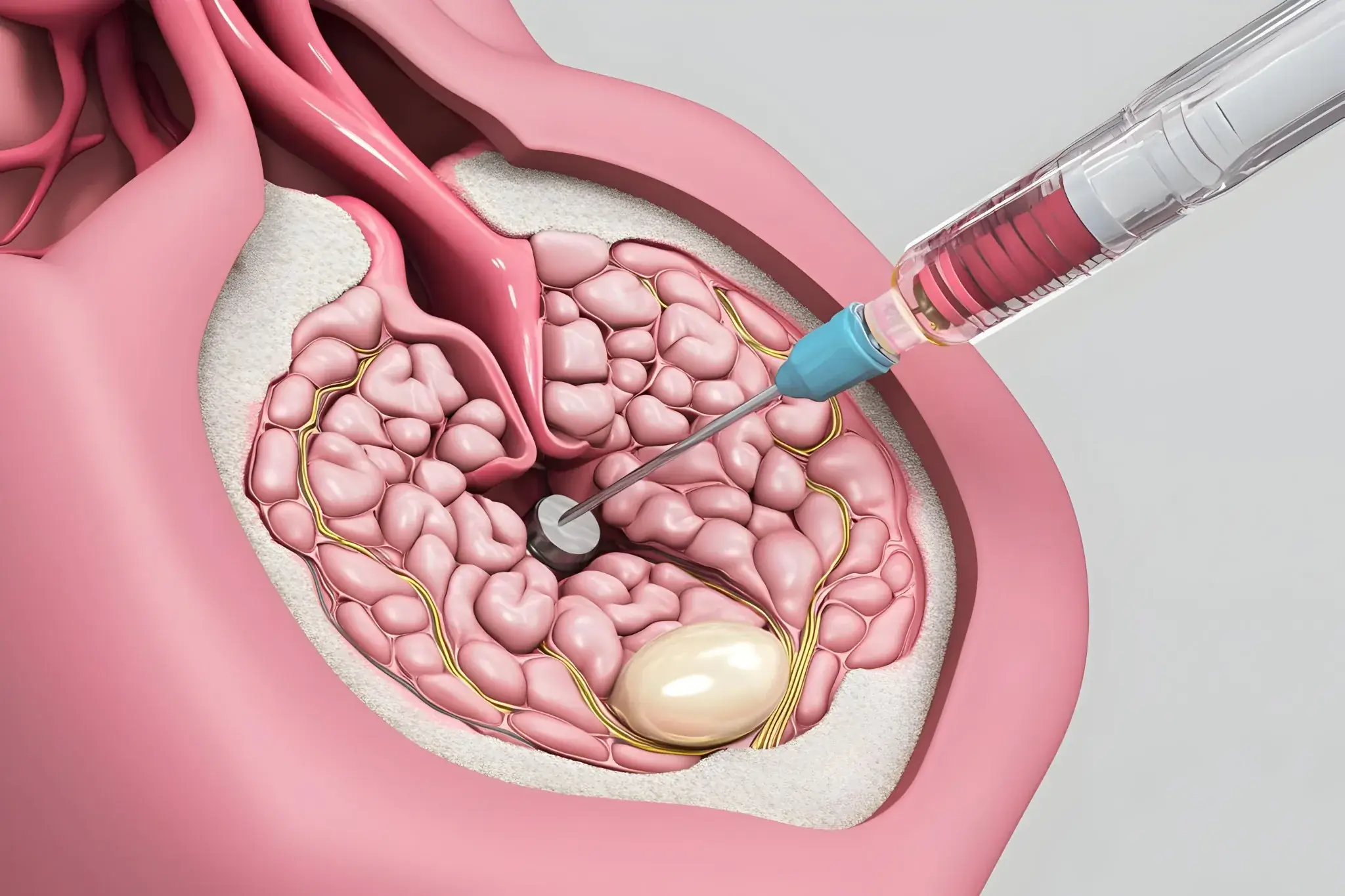
Uterine fibroid embolization, also known as uterine artery embolization (UAE), is a minimally invasive, image-guided procedure that treats fibroids by blocking their blood supply. When the fibroid tissue no longer receives oxygenated blood, it begins to shrink and gradually die off, relieving pressure, pain, and heavy bleeding over time.
Unlike surgical options such as hysterectomy or myomectomy, UFE allows women to avoid major surgery, preserve the uterus, and recover faster. The procedure is performed by an interventional specialist using a small catheter inserted into the wrist or groin. Tiny particles are released into the small arteries feeding the fibroid, effectively cutting off its blood flow while leaving the surrounding uterus healthy and intact.
How Successful Is UFE for Treating Fibroids?
The short answer: very successful. Clinical studies and long-term patient outcomes show that UFE is a highly effective treatment for fibroids, with success rates typically between 85% and 95% in improving or eliminating symptoms.
Here’s what research and real-world data tell us:
- Symptom relief: 85–90% of women experience significant improvement or complete resolution of symptoms such as heavy bleeding, pelvic pain, and pressure.
- Fibroid shrinkage: On average, fibroids shrink by 40–60% in size within the first 6 months following the procedure.
- Improved quality of life: Most patients report a marked improvement in energy levels, comfort, and overall well-being.
- Low recurrence: Fewer than 10–15% of patients require additional fibroid treatment after undergoing UFE.
For many women, UFE offers long-lasting relief without surgery, making it one of the most successful and patient-preferred treatment options available today.
What Determines the Success of UFE?
While the majority of women experience excellent results, certain factors can influence the overall success of the procedure. These include:
1. Size and Number of Fibroids
Women with multiple large fibroids may experience a slower or less dramatic reduction in symptoms, although UFE still provides substantial improvement in most cases.
2. Type of Fibroids
Submucosal fibroids (those that grow inside the uterine cavity) often respond differently than intramural or subserosal fibroids. Your doctor will determine your fibroid type through imaging to set realistic expectations for treatment outcomes.
3. Age and Hormonal Factors
Younger women who still have several reproductive years ahead may experience fibroid regrowth over time due to hormonal influence. However, this is relatively uncommon, and most patients continue to experience symptom relief for years following UFE.
4. Specialist Experience
The skill and experience of the interventional specialist performing the procedure play a major role in ensuring successful results. At Pedes Orange County, our team has extensive expertise in performing targeted, precise embolization procedures that maximize safety and success.
Benefits Beyond Effectiveness
The success of uterine fibroid embolization isn’t just measured by symptom relief. It’s also about how well patients recover and how the procedure fits into their lives. UFE offers several key advantages over traditional surgery:
- Preserves the uterus: Unlike a hysterectomy, UFE allows women to retain their uterus and avoid major organ removal.
- Minimally invasive: Only a small puncture is needed — no large incisions or stitches.
- Quick recovery: Most patients return to work and normal activities within 1–2 weeks.
- Outpatient procedure: UFE is typically performed in a comfortable outpatient setting, not a hospital.
- Reduced risks: No general anesthesia, minimal blood loss, and lower complication rates compared to surgery.
These benefits contribute to high patient satisfaction, making UFE one of the most successful alternatives to hysterectomy or myomectomy for eligible candidates.
Long-Term Outlook After UFE
One of the reasons UFE continues to grow in popularity is its long-term success. For most women, the benefits extend well beyond the initial treatment period.
Studies following patients for 5–10 years post-UFE show that:
- Over 80% remain symptom-free without needing additional procedures.
- Recurrence of fibroid symptoms is rare, and when it occurs, it’s usually mild.
- Menstrual cycles normalize within a few months after the procedure.
The majority of women experience improved fertility outcomes compared to those who undergo hysterectomy.
Can You Get Pregnant After UFE?
Fertility preservation is an important consideration for many women. While uterine fibroid embolization is not designed as a fertility treatment, many women have successfully conceived and carried healthy pregnancies following the procedure.
Research indicates that pregnancy is possible after UFE, particularly for women under 40 with normal ovarian function. The key is individual evaluation. Your doctor will help you understand how UFE may affect your unique fertility goals.
For women whose primary goal is preserving fertility, a thorough discussion with both a gynecologist and vascular specialist ensures that the most appropriate treatment approach is chosen.
Comparing UFE to Other Fibroid Treatments
| Treatment Type | Invasiveness | Recovery Time | Preserves Uterus | Typical Success Rate |
|---|---|---|---|---|
| Uterine Fibroid Embolization (UFE) | Minimally invasive | 1–2 weeks | Yes | 85–95% |
| Myomectomy | Surgical | 4–6 weeks | Yes | 70–90% |
| Hysterectomy | Major surgery | 6–8 weeks | No | 100% (removes uterus) |
| Medication or Hormonal Therapy | Non-invasive | None | Yes | Temporary relief |
As the table shows, UFE combines high effectiveness with minimal downtime, making it a preferred option for many women seeking long-term relief without the risks of surgery.
Is UFE Right for You?
You may be a good candidate for uterine fibroid embolization if you:
- Experience heavy or prolonged menstrual bleeding
- Have pelvic pain, pressure, or bloating caused by fibroids
- Wish to avoid major surgery
- Are not planning future pregnancies or want to preserve your uterus
- Have fibroids confirmed through ultrasound or MRI
The best way to know whether UFE is right for you is to schedule a consultation with a vascular specialist who can review your medical history, imaging results, and personal health goals.
Uterine Fibroid Embolization in Irvine, CA
At Pedes Orange County, we take pride in offering state-of-the-art, minimally invasive treatments for uterine fibroids and other vascular conditions. Our team provides personalized care in a comfortable outpatient setting—helping you find relief safely and effectively.
If you’re struggling with fibroid symptoms or want to learn more about the success of Uterine Fibroid Embolization, our specialists are here to guide you through every step of your treatment journey. Contact us today to schedule your consultation and take the first step toward restoring your comfort, confidence, and quality of life.


