



Can Peripheral Artery Disease Be Reversed?
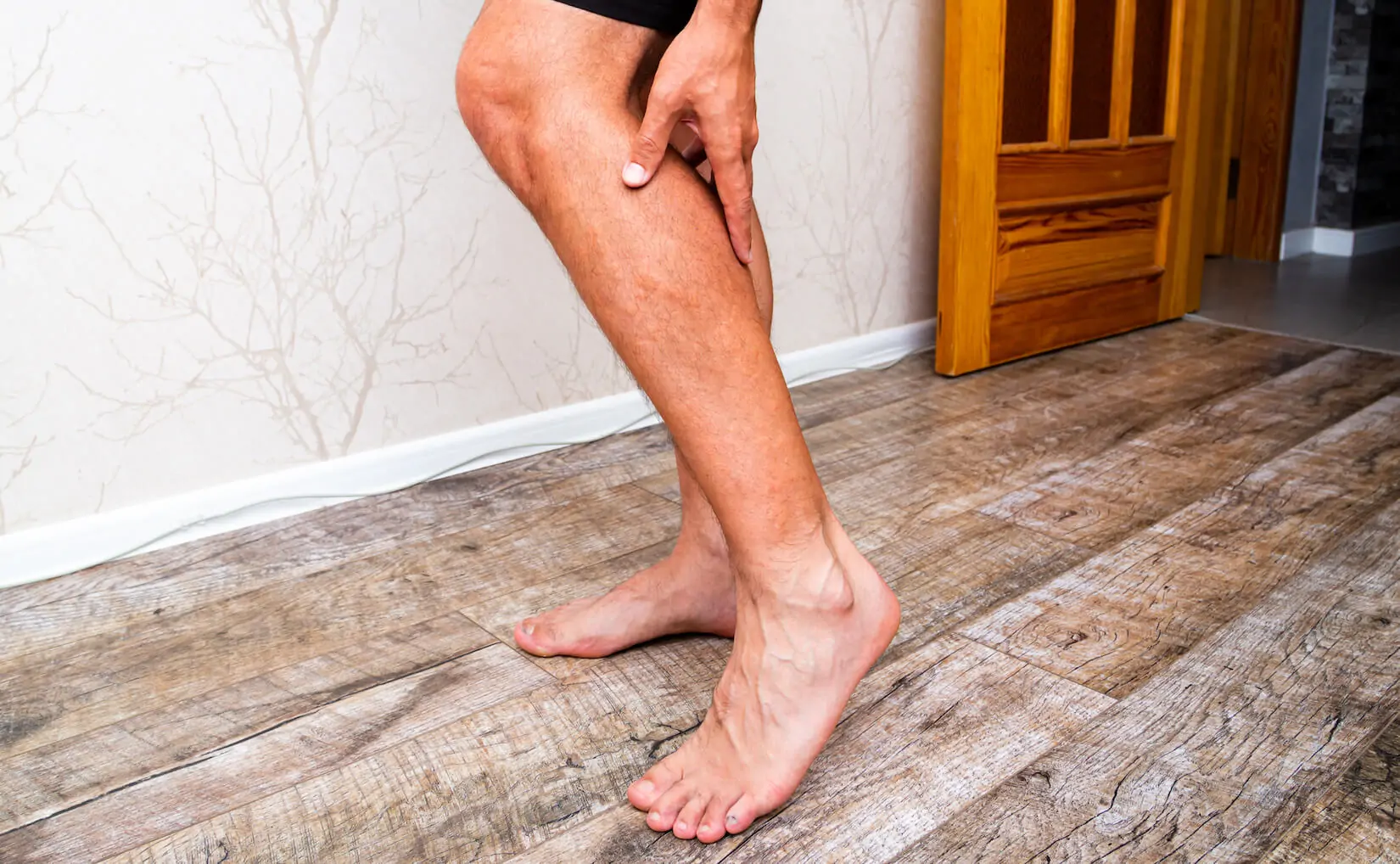
Being diagnosed with peripheral artery disease (PAD) can feel overwhelming. Many people immediately wonder what it means for their long-term health, and one of the most common questions we hear is: Can peripheral artery disease be reversed?
The answer is nuanced, but hopeful. While PAD is a chronic condition, its progression can often be slowed, managed, and significantly improved with the right combination of lifestyle changes, medical care, and minimally invasive treatment options. In many cases, symptoms can be greatly reduced, circulation can improve, and quality of life can be restored.
Let’s take a closer look at what PAD is, what “reversal” really means, and how modern treatments can help you move forward with confidence.
What Is Peripheral Artery Disease (PAD)?
Peripheral artery disease is a circulatory condition that occurs when arteries in the legs become narrowed or blocked due to a buildup of plaque (a mix of fat, cholesterol, and other substances). This plaque restricts blood flow, making it harder for oxygen-rich blood to reach the muscles and tissues of the lower extremities.
PAD most commonly affects the legs and feet and may cause symptoms such as:
- Leg pain or cramping while walking (claudication)
- Fatigue or heaviness in the legs
- Coldness in the feet or lower legs
- Slow-healing wounds or ulcers
- Skin discoloration or hair loss on the legs
In some cases, PAD may progress quietly, with few noticeable symptoms at first.
What Does “Reversed” Mean When It Comes to PAD?
When people ask if PAD can be reversed, they’re often wondering if the plaque can completely disappear. While plaque buildup itself is not usually eliminated entirely, the effects of PAD can often be dramatically improved.
In practical terms, this means:
- Improving blood flow to the legs
- Reducing or eliminating pain with walking
- Healing or preventing non-healing wounds
- Slowing or stopping disease progression
- Lowering the risk of complications
So while PAD may not be “cured” in the traditional sense, it can often be effectively managed and controlled, allowing many patients to live active, comfortable lives.
Can Lifestyle Changes Improve PAD?
Yes, lifestyle changes play a critical role in managing PAD and can significantly improve symptoms.
Walking and Exercise
Supervised or structured walking programs are one of the most effective ways to improve PAD symptoms. Regular walking helps the body develop new pathways for blood flow, increasing endurance and reducing pain over time.
Heart-Healthy Nutrition
A diet low in saturated fats and rich in fruits, vegetables, whole grains, and lean proteins can help:
- Reduce plaque progression
- Improve cholesterol levels
- Support overall vascular health
Smoking Cessation
Smoking is one of the strongest risk factors for PAD. Quitting smoking can:
- Improve circulation
- Reduce inflammation
- Slow disease progression significantly
Managing Chronic Conditions
Controlling conditions such as diabetes, high blood pressure, and high cholesterol is essential for improving PAD outcomes and protecting blood vessels long-term.
For many people with early-stage PAD, these changes alone can lead to meaningful symptom improvement.
When Lifestyle Changes Aren’t Enough
While lifestyle modifications are powerful, some patients have more advanced PAD or symptoms that don’t improve with conservative measures alone. In these cases, medical and interventional treatments can make a significant difference.
Minimally Invasive Treatments for PAD
Modern vascular care offers minimally invasive, image-guided procedures that can restore blood flow without major surgery. These treatments don’t remove PAD entirely, but they can dramatically improve circulation and symptoms.
Angiography and Intervention
An angiogram allows doctors to see where arteries are narrowed or blocked. During the same procedure, treatment can often be performed to improve blood flow.
Angioplasty
A small balloon is used to gently widen a narrowed artery, allowing blood to flow more freely.
Atherectomy
This procedure removes plaque from inside the artery, helping restore circulation in areas where buildup is more severe.
Stenting
In some cases, a small mesh tube is placed inside the artery to help keep it open after plaque removal or angioplasty.
These procedures are typically performed on an outpatient basis, with short recovery times and minimal disruption to daily life.
Can Blood Flow Be Restored in PAD?
Yes. One of the most encouraging aspects of PAD treatment is that blood flow can often be significantly improved, even in advanced cases. Restoring circulation can:
- Reduce pain with walking
- Promote healing of ulcers or wounds
- Improve mobility and endurance
- Lower the risk of serious complications
For patients with non-healing wounds or open ulcers, restoring blood flow is especially important and often prioritized with expedited care.
What Happens If PAD Is Left Untreated?
Without treatment, PAD can progress and lead to more serious complications, including:
- Chronic pain and reduced mobility
- Non-healing wounds or infections
- Increased risk of limb-threatening conditions
- Higher risk of heart attack or stroke
Early diagnosis and proactive treatment can make a substantial difference in long-term outcomes.
Is PAD the Same for Everyone?
No. PAD looks different from person to person. Factors that influence progression and treatment response include:
- Severity of arterial blockage
- Overall health and activity level
- Presence of diabetes or smoking history
- How early the condition is diagnosed
This is why personalized care is so important. A treatment plan that works well for one patient may not be right for another.
Living Well With Peripheral Artery Disease
Many people with PAD go on to live full, active lives. With the right approach, it’s possible to walk farther with less pain, maintain independence, reduce the risk of future vascular events, and feel confident managing your condition.
Think of PAD management as a long-term partnership between you and your care team, focused on protecting circulation and supporting your quality of life.
So, Can PAD Be Reversed?
While peripheral artery disease may not be completely reversed, its impact can often be significantly reduced. With early diagnosis, lifestyle changes, and modern minimally invasive treatments, many patients experience improved circulation, reduced symptoms, and a better quality of life.
If you’re experiencing leg pain, walking discomfort, or slow-healing wounds, getting evaluated sooner rather than later can make all the difference. At Pedes Orange County, we specialize in diagnosing and treating peripheral artery disease using advanced, minimally invasive techniques. We offer same-day or next-available appointments, especially for patients experiencing concerning symptoms. Contact us today to learn more.


